


Emergency Gas Leak Repair: What to Do Fast

That faint smell of petrol is not something to watch and wait on. Emergency petrol leak repair is one of those situations where acting quickly matters far more than trying to diagnose the problem yourself. Whether you are at home, managing a rental property or responsible for a busy commercial kitchen, the safest response is always to treat a suspected leak seriously from the outset.
Petrol leaks can start for several reasons. A damaged appliance connection, worn pipework, a faulty valve, poor previous workmanship or accidental impact during other work can all cause trouble. In commercial settings, where equipment works harder and systems can be more complex, the risks can increase simply because there is more demand on the installation.
When emergency petrol leak repair is needed
Not every petrol issue presents in the same way. Sometimes the warning sign is obvious, such as the smell of petrol near a boiler, meter or cooker. In other cases, it is less clear. You may notice hissing near pipework, pilot lights that keep going out, appliances that suddenly stop working properly, or staff and occupants feeling unwell without an obvious cause.
Natural petrol is treated with a strong smell to make leaks easier to detect, but relying on smell alone is not enough. Air movement, building layout and where the leak is coming from can all affect what you notice. If you suspect a leak, assume there is a real risk until a qualified engineer proves otherwise.
For landlords and property managers, this point is especially important. A delay can put tenants at risk and complicate your compliance position. For hospitality businesses, a suspected leak can quickly become an operational issue as well as a safety one. It may mean shutting down equipment, closing part of the premises or stopping service altogether until the system is made safe.
What to do straight away
The first priority is safety, not convenience. If you suspect a leak, turn off the petrol supply if it is safe to reach the emergency control valve. Open doors and windows to improve ventilation. Ask people to leave the affected area calmly, especially if the smell is strong.
Just as important is what not to do. Do not switch lights, appliances or extractor fans on or off. Do not use naked flames. Do not try to trace the leak with a lighter, match or any improvised method. Avoid using electrical switches in the immediate area because even a small spark can be dangerous where petrol is present.
Once the area is safer, call for professional help. Emergency petrol leak repair should only be handled by a Petrol Safe registered engineer with the right qualifications for the property and the type of installation involved. Domestic properties, rented homes, restaurants and larger commercial premises can each present different challenges, and the correct response depends on the system in front of you.
Why proper diagnosis matters
A petrol leak is rarely just about sealing one obvious point and moving on. The engineer first needs to confirm whether there is an active leak, isolate the source, assess whether any appliances have been affected, and check whether the wider installation remains sound.
This is where experience makes a real difference. A leak at a visible joint may be the only problem, but it could also be a symptom of pressure issues, ageing pipework or a system that has been altered badly in the past. In older buildings, pipe runs may pass through awkward spaces or behind later refurbishments, which can make access more difficult and repair decisions less straightforward.
A careful engineer will look at the whole picture. That includes testing pipework, checking appliance connections, inspecting valves and regulators where relevant, and making sure the property is safe to reoccupy or reopen. In some cases, the quickest fix is not the best fix. Temporary measures may help make the system safe, but a more permanent repair or replacement may still be needed soon after.
How emergency petrol leak repair is usually carried out
The exact repair process depends on the source and severity of the leak. In a simple case, it may involve tightening or replacing a failed fitting, reconnecting pipework correctly or replacing a faulty valve. If pipework has corroded or been mechanically damaged, the affected section may need to be removed and replaced.
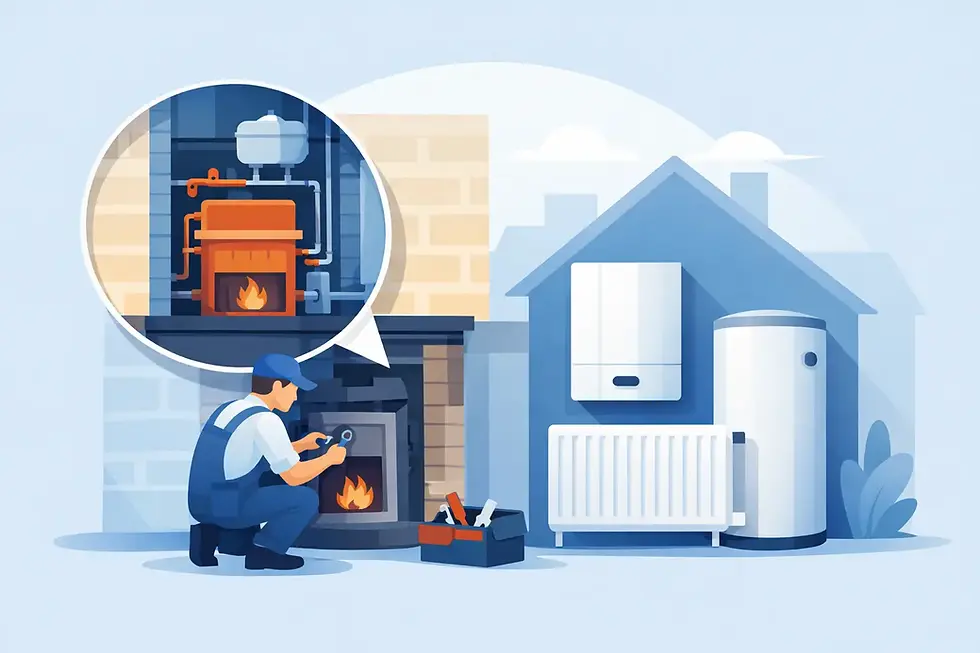
Appliance-related leaks can be more involved. A boiler, cooker or commercial catering appliance may need to be isolated from the supply until it can be repaired, tested and recommissioned correctly. If the appliance itself is unsafe or uneconomical to repair, replacement may be the better option.
For businesses, there is often a balance to strike between speed and operational continuity. A restaurant, pub or catering site may need part of its system restored urgently to keep trading, but only where that can be done safely and in line with regulations. A reliable engineer will be clear about what can be repaired immediately, what must stay off, and what follow-up work is needed.
Domestic and commercial petrol leaks are not the same
For homeowners, the main concern is usually immediate household safety and getting heating or cooking facilities back in service. For landlords, the issue often extends to tenant communication, access arrangements and keeping the property compliant once the emergency has been dealt with.
Commercial sites bring added pressure. There may be multiple appliances, larger petrol loads, staff on site, customers to protect and tighter expectations around reopening. In hospitality environments, one leak can affect kitchen operations, hot water provision and heating at the same time. The right response therefore needs both technical competence and practical planning.
This is one reason many customers prefer to work with a contractor that understands both domestic and commercial settings. The technical standards remain high in both, but the impact of downtime, access constraints and scheduling can differ quite a lot.
What affects repair time and cost
People often want a fixed answer straight away, which is understandable, but emergency work is one of those areas where it depends. A visible leak at an accessible connection may be dealt with quickly. A leak beneath floors, inside walls or across older commercial pipe runs is likely to take longer.
Cost is shaped by access, parts, the extent of testing required and whether the issue is limited to one point or linked to a wider problem. If an engineer finds that an appliance is unsafe in addition to the leak itself, the scope can change. Honest pricing matters here because customers need clarity during a stressful situation, not vague estimates or surprise extras.
A good emergency service should explain the immediate make-safe work separately from any recommended follow-on repairs. That gives you a clearer basis for decision-making, especially if the property is tenanted or the business needs to manage downtime carefully.
Preventing the next emergency petrol leak repair callout
Not every petrol leak can be predicted, but many can be reduced through regular servicing and sensible maintenance. Annual appliance checks, routine inspection of visible pipework and prompt attention to smaller faults can all lower the chance of a serious issue later.
For landlords, regular certification and maintenance are more than a box-ticking exercise. They are part of protecting tenants and reducing the risk of an out-of-hours emergency. For commercial operators, planned servicing often costs far less than an unexpected shutdown during a busy trading period.
It also helps to work with engineers who document what they find and explain any developing concerns clearly. If pipework is ageing, if a valve is beginning to fail or if an appliance is becoming unreliable, knowing that early lets you plan rather than react.
In areas across North Wales and the North West, customers often want one dependable company that can respond in an emergency and also support the longer-term condition of the system. That continuity tends to lead to better outcomes because the engineer already understands the layout, usage patterns and service history of the property.
Choosing the right help when time matters
During a suspected leak, reassurance is valuable, but competence is what counts. You need a Petrol Safe registered engineer who can attend promptly, make the area safe, diagnose the fault properly and carry out repairs that stand up over time.
That means looking beyond the promise of a fast callout. Ask whether the engineer is qualified for the type of work involved, whether they handle both emergency response and follow-up repairs, and whether they can support domestic or commercial premises as needed. For many customers, especially landlords and businesses, that wider capability saves time and avoids the need to coordinate multiple contractors.
Lunar Heating & Petrol Services works with homeowners, landlords and businesses that need practical, safety-led support when a petrol problem cannot wait. The real priority in any emergency, though, is simple: treat the risk seriously, get the system checked properly and do not settle for guesswork when safety is on the line.
If you ever suspect a leak, quick action and the right professional help can turn a dangerous situation into a controlled one.

Comments