


New Boiler Installation Checklist

Replacing a boiler is rarely something anyone looks forward to, but getting it right can save you years of avoidable breakdowns, poor heating performance and higher running costs. A solid new boiler installation checklist helps you ask the right questions before work starts, whether you are a homeowner upgrading an ageing system, a landlord preparing a rental property, or a business trying to avoid disruption.
The biggest mistake people make is treating boiler replacement as a simple swap. Sometimes it is. In many cases, it is not. The right boiler has to suit the building, the hot water demand, the existing pipework and the way the property is used day to day. A family home in Anglesey will not always need the same setup as a café in Liverpool or a rental flat in Chester.
What to include in a new boiler installation checklist
A good checklist starts with the basics and moves quickly into the practical details that affect cost, timescales and long-term reliability. Before agreeing to any installation, make sure you have looked at the condition of the current system, the size and type of boiler required, where it will be fitted, and what extra work may be needed around the installation.
It also helps to be clear on your priorities. Some customers want the lowest upfront cost. Others want better efficiency, stronger hot water pressure, quieter operation or a system that is easier to maintain. None of those priorities is wrong, but they can lead to different recommendations.
Check whether your boiler really needs replacing
If your current boiler is breaking down regularly, parts are becoming difficult to source, or your energy bills have risen without a clear reason, replacement may make more sense than repeated repairs. That said, not every fault means the whole boiler is finished. A dependable engineer should be honest about whether repair is still worthwhile.
Age matters, but it is not the only factor. Some older boilers keep going reliably, while some newer systems suffer because they were poorly installed or badly maintained. The question is not just how old the unit is, but whether replacement offers a genuine improvement in safety, performance and running costs.
Confirm the right boiler type
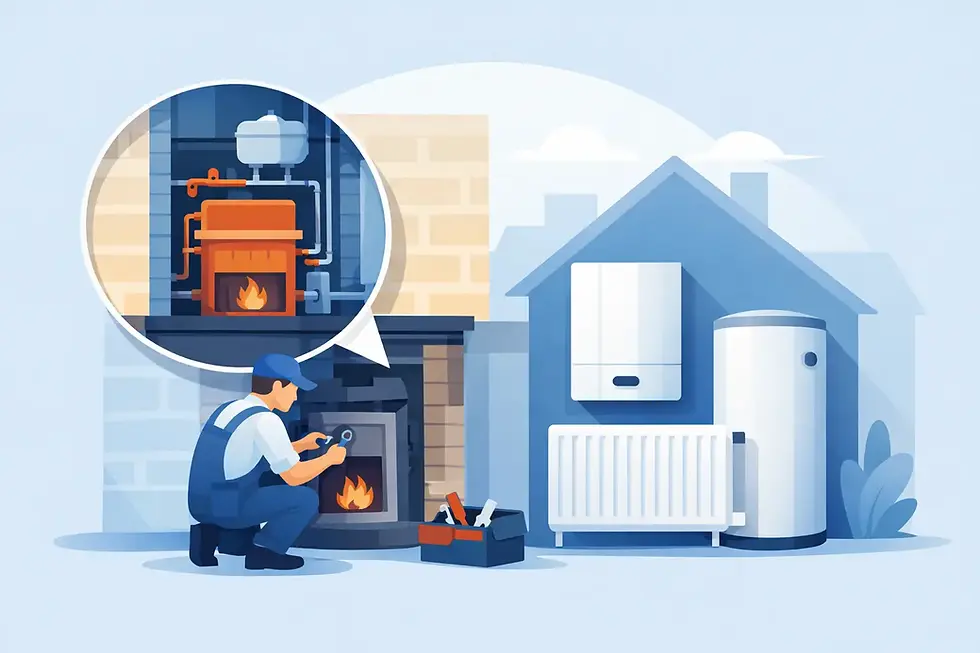
This is one of the most important parts of any new boiler installation checklist. The three main options are combi, system and regular boilers, and each suits different properties.
A combi boiler is often a good fit for smaller homes with limited space because it provides heating and hot water without a separate cylinder. A system boiler usually suits larger homes with higher hot water demand, especially where more than one bathroom is used at the same time. A regular boiler can still be the right choice for older properties with traditional heating layouts.
For landlords and commercial operators, the decision can be more operational. If a property has multiple occupants or peak periods of heavy use, capacity and recovery times matter just as much as energy efficiency.
Make sure the boiler is correctly sized
Boiler size is about output, not physical dimensions. A boiler that is too small may struggle to keep up, especially in colder months. One that is too large can be inefficient and wear unevenly over time.
Sizing should take account of radiators, insulation levels, property size, number of bathrooms and hot water demand. This is why a proper site survey matters. A quote based only on a quick phone call may miss details that affect performance later.
Look beyond the boiler itself
A replacement boiler is only one part of the heating system. If the wider system is in poor condition, a brand-new unit may still underperform.
Radiators, valves, controls, pipework and water quality all play a part. If sludge has built up in the system, a power flush or chemical clean may be recommended. If controls are outdated, fitting a more efficient thermostat or zoning arrangement can make the whole system easier to manage and cheaper to run.
Check the location and flue position
The new boiler may go in the same place as the old one, but not always. A change of location can improve access, free up space or make servicing easier. It can also add labour, materials and time to the installation.
The flue position needs to comply with current regulations. If the old flue arrangement no longer meets standards, it may need to be altered as part of the job. This is not cosmetic paperwork. It is a safety issue and should be assessed properly before installation day.
Review ventilation and condensate requirements
Modern condensing boilers have different requirements from older models. The condensate pipe needs to be routed correctly and protected where necessary, especially if part of the pipework runs externally and could freeze in winter.
Ventilation rules also depend on the appliance and the installation setting. In domestic properties this may be straightforward, but in some commercial environments the surrounding layout and usage can affect what is needed.
Choose an installer with the right credentials
Any gas boiler installation must be carried out by a Gas Safe registered engineer. That is non-negotiable. For commercial premises, catering environments or more complex system designs, it is also worth checking that the installer has relevant experience in that type of work.
A boiler can be a high-value purchase, but the installation quality often matters more than the badge on the front. Even a good boiler can become unreliable if it is badly commissioned, poorly flushed or incorrectly set up. Customers across North Wales and the North West often want speed, which is understandable, but rushing the survey stage can create problems later.
When comparing quotes, look at what is included. One price may cover disposal of the old boiler, chemical treatment, controls, commissioning and registration, while another may leave those items out and appear cheaper than it really is.
Questions to ask before installation day
A practical new boiler installation checklist should include a few straightforward questions. How long will the job take? Will heating and hot water be off for part of the day or longer? Is making good included if pipework is moved? Who will register the installation and provide the benchmark paperwork and warranty details?
For landlords, add compliance records to that list. For businesses, ask how disruption will be managed. A hotel, pub or restaurant may need work scheduled around trading hours to reduce downtime.
Prepare the property in advance
Once the installation is booked, a little preparation can make the day run more smoothly. Clear access around the boiler, airing cupboard, hot water cylinder or any radiators being worked on. Move valuables or stored items out of the way. If pets are in the property, keep them safely away from work areas.
It is also worth asking whether water or electrics will need to be isolated temporarily. Most installations are straightforward, but if you know in advance what to expect, the process feels far less stressful.
Don’t overlook controls, warranty and aftercare
A new boiler should not be handed over without a full demonstration of the controls. Many heating problems after installation are not faults at all. They come from settings that were never explained properly.
Make sure you understand how to adjust heating times, hot water settings and room temperature. If smart controls are being fitted, ask for help with setup before the engineer leaves.
Warranty length matters, but so do the conditions attached to it. Most manufacturers require annual servicing to keep the warranty valid. If that service is missed, the cover may not stand. That is why aftercare should be part of your decision, not an afterthought.
Keep the paperwork safe
When the job is complete, you should receive the relevant documentation, including commissioning records, warranty details and confirmation that the installation has been registered correctly. Keep these documents somewhere easy to find.
If you sell the property, manage a portfolio, or need proof of compliance for insurance or tenancy purposes, this paperwork becomes more than admin. It protects you.
A checklist helps you avoid false economies
Cheapest is not always best, and most customers know that. The real problem is hidden cost. A low quote can become expensive if it leaves out essential system cleaning, better controls, upgraded pipework or the work needed to bring the installation up to standard.
At the same time, more expensive does not automatically mean better. The right installation is the one that suits the property, the usage and the budget without cutting corners on safety or quality. That is as true for a family house as it is for a rental property or a busy commercial site.
If you are working through a new boiler installation checklist, think beyond the first day of fitting. Think about winter reliability, servicing access, energy use and whether the system will still suit your needs in five or ten years. A careful decision now usually means fewer headaches later, and a warmer, more reliable property from the start.

Comments