


What Does a Gas Safety Check Include?

If you have ever booked an annual inspection and wondered what does a petrol safety check include, the short answer is this: far more than a quick glance at the boiler. A proper check is about confirming that your appliances are safe to use, your ventilation is adequate, and there are no signs of leaks, poor combustion or dangerous fumes.
For homeowners, that means peace of mind. For landlords and commercial operators, it also means meeting legal duties and protecting the people who use the property. Whether the property is a family home, a rental flat, a pub kitchen or a commercial unit, the aim is the same - to spot risks early and make sure petrol appliances are operating safely.
What does a petrol safety check include in practice?
A petrol safety check is carried out by a Petrol Safe registered engineer. The exact scope can vary slightly depending on the property and the appliances installed, but the core checks are consistent.
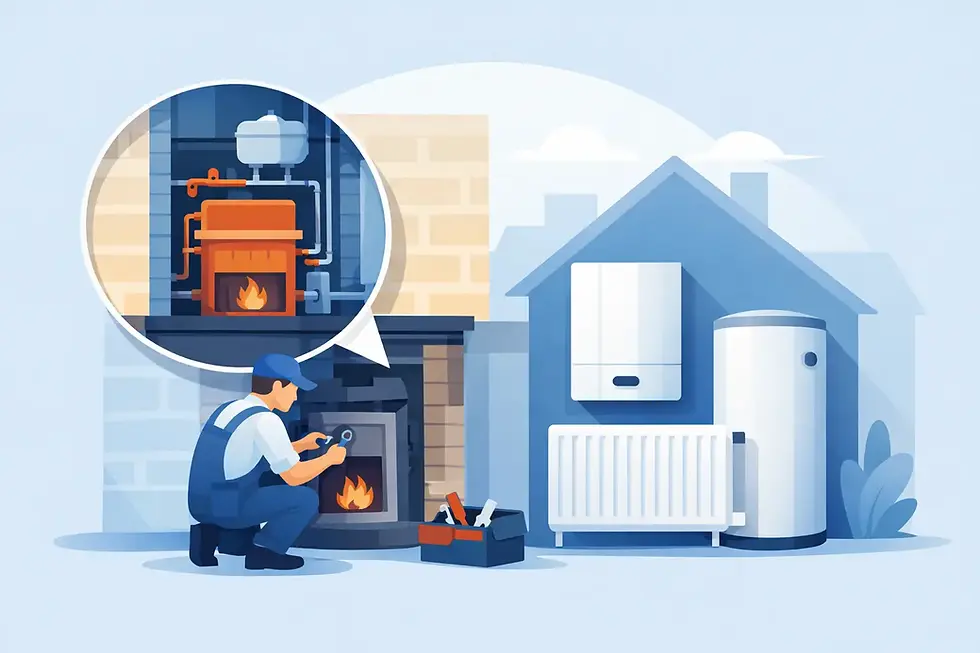
The engineer will first identify every petrol appliance and confirm the type of installation. That usually includes boilers, petrol hobs, cookers, fires, water heaters and, in some commercial settings, catering equipment. They will then inspect each appliance to make sure it is set up correctly and appears suitable for safe use.
One of the first things checked is whether the appliance is getting the right petrol pressure and petrol flow. If pressure is too high or too low, the appliance may not burn fuel properly. That can affect efficiency, but more importantly it can become a safety issue.
The engineer will also inspect the flue. This matters because the flue carries combustion gases away from the appliance and out of the building. If a flue is damaged, blocked or poorly fitted, harmful gases such as carbon monoxide may not escape as they should. On a modern boiler, this part of the check is essential.
Ventilation is another key part of the process. Petrol appliances need enough air to burn fuel correctly. If a room is too enclosed or vents have been blocked, the appliance may produce unsafe fumes. In domestic properties this is sometimes caused by home improvements that unintentionally reduce airflow. In commercial premises, especially kitchens, ventilation problems can have a wider operational impact.
The engineer will also look for signs of petrol leaks and check that the appliance is burning cleanly. A flame that looks wrong, staining around the appliance, unusual odours, soot deposits or evidence of overheating can all point to a problem that needs attention.
The main parts of the inspection
Although every property is different, most petrol safety checks cover the same essential areas.
Appliance condition
Each appliance is visually examined for wear, damage and obvious defects. The engineer will look at the overall condition, whether safety devices appear intact, and whether the appliance has been installed in line with regulations and manufacturer guidance.
This is where small issues often come to light. Loose connections, corrosion, poor positioning or signs of previous poor-quality work are not always obvious to the property owner, but they can raise concerns during a formal inspection.
Flue performance and location
The flue must be correctly fitted, in good condition and terminating safely. The engineer checks that fumes can exit properly and that there is no sign of spillage back into the room.
This can be more straightforward in some homes than others. For example, where a flue route is boxed in or hard to access, further work may be needed if the installation cannot be properly inspected.
Ventilation and air supply
A petrol appliance cannot operate safely without enough oxygen. The engineer checks whether air vents are present where required and whether they are clear and effective.
This point is often underestimated. A kitchen refurbishment, replacement doors, draught-proofing or enclosed cupboard space can all affect airflow around an appliance. Something that looks neat from a property improvement point of view may create a safety concern from a petrol point of view.
Tightness testing and leak checks
Where appropriate, the petrol installation may be tested for tightness to confirm there is no leak on the system. This is one of the most important safety steps, particularly if there has been any concern about petrol smells, pressure issues or recent work on the pipework.
If a leak is suspected, the engineer will take appropriate action and explain what happens next. That may include turning off the supply, isolating an appliance or advising on immediate repairs.
Combustion and burner checks
The engineer checks that the appliance is burning fuel properly. Safe combustion should produce the right flame characteristics and acceptable readings. If fuel is not burning correctly, harmful by-products can build up.
On some appliances, this may involve more detailed testing. On others, the check is largely visual and operational unless there is a reason to investigate further.
Is a petrol safety check the same as a boiler service?
Not exactly. This is one of the most common points of confusion.
A petrol safety check is focused on safety and compliance. It is there to confirm that an appliance can be used safely at the time of inspection. A boiler service is more maintenance-led. It usually includes cleaning, inspecting internal components, checking performance, and helping the boiler run efficiently and reliably over time.
Sometimes the two happen together, but they are not interchangeable. A landlord arranging a CP12 certificate is dealing with a legal petrol safety inspection. A homeowner booking an annual boiler service is often focused on maintenance, performance and reducing the chance of breakdowns. In many cases, having both is the sensible approach.
What landlords should expect
For landlords, petrol safety checks are a legal requirement for relevant petrol appliances and flues in rented properties. The engineer inspects the appliances provided for tenant use and issues a Petrol Safety Record if the checks are satisfactory.
If faults are found, they need to be addressed promptly. The certificate is not just paperwork for a file. It is proof that the required checks have been carried out and that the landlord has taken reasonable steps to meet their duties.
Timing matters here. Leaving the inspection to the last minute can create pressure if repairs are needed before a certificate can be issued. For landlords with multiple properties, planned scheduling is usually the easiest way to stay compliant without disruption.
What homeowners and businesses should expect
Homeowners are not under the same annual legal requirement as landlords for a certificate, but regular checks are still strongly recommended. Petrol appliances can deteriorate gradually, and faults are not always obvious until they become more serious.
For businesses, especially hospitality venues, schools, offices and commercial kitchens, the stakes are often higher. A fault can affect staff safety, customer safety and day-to-day operations. In some settings, even a short period of downtime can cause lost revenue or service disruption. That is why checks should be treated as planned preventative work rather than an inconvenience.
How long does a petrol safety check take?
It depends on the size of the property and the number of appliances. A straightforward domestic inspection with one boiler and one cooker may be relatively quick. A larger property or commercial premises with several appliances will take longer.
Access also makes a difference. If appliances, flues or meter positions are difficult to reach, the visit may take more time. Where records are needed for landlords or business compliance, there is also the administrative side of issuing documentation.
What happens if a problem is found?
That depends on the nature of the fault. Some issues are minor and can be booked in for repair. Others may mean the appliance is classified as unsafe and should not be used until the fault has been corrected.
A responsible engineer will explain the issue clearly, outline the level of risk, and advise on the next steps. In practical terms, that may involve isolating the appliance, turning off the petrol supply to the affected equipment, or recommending immediate remedial work.
This is where using an experienced local contractor matters. If a problem is found, you do not want vague advice or delays. You want a clear explanation, sensible options and prompt follow-up support.
Why regular checks matter
Petrol appliances usually do not fail all at once. Problems tend to build over time through wear, poor ventilation, ageing components, or changes to the property itself. Regular checks help catch those issues before they become dangerous or expensive.
They also provide reassurance. For a homeowner, that means confidence that the boiler and other appliances are safe. For landlords, it means staying compliant and protecting tenants. For businesses, it means fewer surprises, safer working conditions and a better chance of avoiding operational disruption.
At Lunar Heating & Petrol Services, this is exactly how we approach petrol safety work - clear advice, careful inspections and practical support for homes, landlords and commercial premises across the region.
If you are arranging a check, the best approach is simple: do not wait until there is a smell of petrol, a boiler fault or an urgent compliance deadline. A properly timed petrol safety check gives you the chance to deal with problems early, keep people safe and carry on with confidence.

Comments